Diagnostics That Identify What Actually Failed
Water Heater Repair in Lawrence for inconsistent temperatures, leaks, and performance issues
Water heaters in Lawrence, Kansas experience thermostat drift that produces scalding or lukewarm water, sediment accumulation that causes rumbling and reduces capacity, or element failure in electric units that cuts hot water output in half. SuperDan Plumbing LLC diagnoses these issues by testing components individually rather than guessing based on symptoms alone. You need this service when showers run cold halfway through, the tank makes banging noises during heating cycles, water pools beneath the unit, or recovery time stretches far longer than normal.
Repair work identifies whether the problem stems from failed heating elements, faulty thermostats, corroded anode rods that no longer protect the tank lining, or pressure relief valves stuck open from mineral buildup. Many issues resolve with component replacement and system flushing, though some conditions—particularly tank corrosion causing external leak—require equipment replacement rather than repair.
Schedule service when hot water performance changes noticeably so diagnostics can pinpoint the cause before minor issues create larger problems.
What Changes After Repairs Restore Function
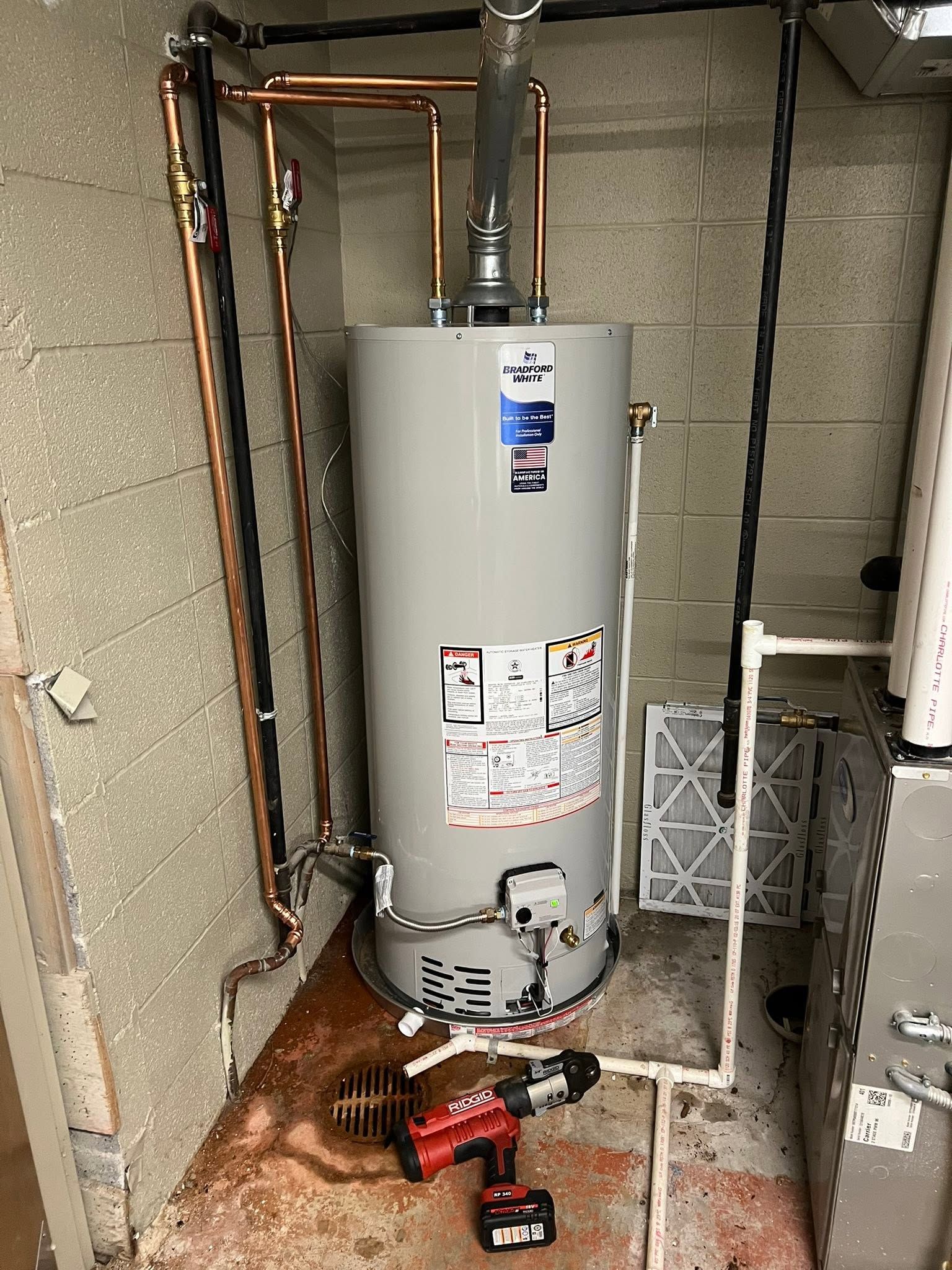
Repair begins with shutting off fuel or power, draining the tank if component access requires it, and testing each part of the heating and delivery system with calibrated instruments. Thermostats get checked for accurate temperature response, heating elements are tested for continuity and proper wattage draw, and pressure relief valves receive manual activation to confirm they reset properly. Gas units require burner assembly inspection, flame sensor cleaning, and venting checks to ensure combustion gases exhaust completely.
After repairs complete, water temperature stabilizes at the set point without wild swings, the tank heats quietly without sediment-related noise, and hot water availability matches what the system provided when new. Leaks stop completely rather than slowing to a drip, and energy consumption often drops when faulty thermostats or partially failed elements no longer run continuously trying to reach temperature.
Some repairs extend equipment life significantly when caught early, while others simply restore function temporarily on units nearing replacement age. Honest assessment includes explaining when repair costs approach replacement value or when tank condition suggests imminent failure despite successful component repair. Age, maintenance history, and overall condition inform whether repairing or replacing makes better economic sense.
Answers to Frequent Service Questions
Repair decisions depend on understanding what failed, why it failed, and whether the underlying system warrants the investment.
What causes water heaters to produce inconsistent temperatures?
Thermostat calibration drift, sediment buildup on tank bottoms that insulates heating elements from water, or partially failed elements that heat slowly all create temperature inconsistency—testing identifies which component needs attention.
How do rumbling or popping noises develop in water heaters?
Sediment layers trap water beneath them during heating cycles, creating steam bubbles that collapse noisily when they escape—flushing removes sediment, though heavily scaled tanks may require replacement if buildup has damaged the tank lining.
When do leaks around water heaters indicate the unit needs replacement rather than repair?
External leaks from tank seams or bottoms signal corrosion through the steel lining that cannot be repaired, while leaks from valve connections, drain spouts, or pressure relief fittings usually resolve with component replacement or tightening.
What maintenance helps prevent common water heater problems in Lawrence?
Annual flushing removes sediment before it hardens, anode rod inspection every few years catches corrosion protection failure before tank damage occurs, and temperature setting verification prevents both scalding risk and bacteria growth.
How quickly should property owners address water heater issues?
Leaks require immediate attention to prevent water damage, temperature problems justify prompt service to restore comfort, and unusual noises indicate conditions that worsen over time if ignored—early diagnosis prevents more extensive repairs.
SuperDan Plumbing LLC provides straightforward assessments of water heater conditions, explaining repair options and replacement considerations based on equipment age and overall state. Contact the company at (785) 551-0022 when hot water problems develop to schedule diagnostic service in Lawrence.